
Driving in Kyrgyzstan: Rules, Roads, Police and Fuel (2026)
Everything you need to know before driving in Kyrgyzstan: license and IDP, speed limits and cameras, the zero-alcohol rule, how police stops actually go, fuel grades and chains, road quality by region, winter driving, and exactly what to do after an accident.
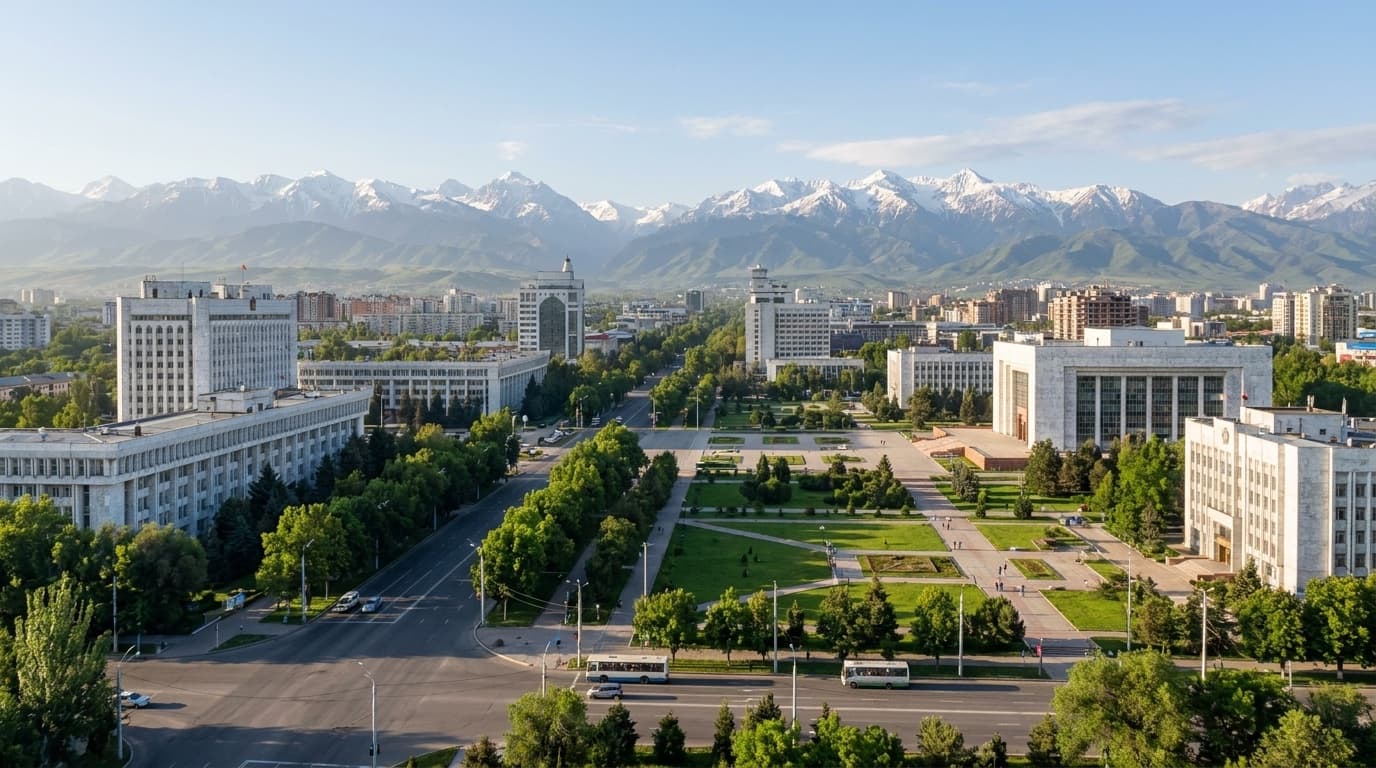
Kyrgyzstan is a country you drive. The distances are long, railways barely exist, and the best moments - a herd crossing the road at dawn, a canyon that suddenly opens to the right, hot bread from a village bakery - happen between destinations, exactly where buses don't stop. So the real question isn't whether to get behind the wheel here, but how to do it well: what the rules actually are, how the police work, where the fuel is honest and which roads deserve extra respect. This guide is the full briefing, written for the traveler picking up a rental car in Bishkek or Osh and pointing it at the mountains. Updated for August 2026.
A word on who's talking: we at WeRent hand over rental cars in Bishkek and Osh every week, which means we also hand over this exact briefing - to guests from Tel Aviv, Berlin and Almaty - and then hear how it went when the keys come back. Everything below is distilled from those conversations: not the traffic code retold, but the parts of it that actually decide how your trip feels.
Your license, and what lives in the glovebox
Kyrgyzstan drives on the right, and a home license in Latin or Cyrillic script will carry you through most encounters. Still, an International Driving Permit is the cheapest peace of mind you'll ever buy: it translates your license into a format every roadside officer instantly recognizes, and paperwork is simply smoother with one. Keep three things within reach whenever you drive: your license (plus IDP), your passport or a sharp photo of it, and the car's documents - registration and the rental contract - which we hand you at pickup. A stop where all three appear within ten seconds rarely lasts longer than a couple of minutes. The rental-side requirements - age, driving experience, deposit - live in our FAQ.
Speed limits, cameras and the zero-alcohol rule
The defaults are simple: 60 km/h in built-up areas - watch for stretches signed down to 40 through villages, school zones and roadworks - and 90 km/h on open roads outside town. Posted signs always beat defaults, and they change often, so drive by what you see, not by what you remember. Enforcement has quietly modernized: the main corridors out of Bishkek - toward Issyk-Kul above all - are lined with speed cameras, and fines find the car's owner later instead of stopping you on the spot. In a rental that means the fine finds us, and then, per the contract, you - so the cameras deserve the same respect locals now give them.
One rule stands above all the others: alcohol and driving do not mix here at all. Treat the limit as absolute zero - not "one beer with dinner", zero - because that is how roadside checks treat it, and the consequences are severe enough to end a trip on the spot. The rest of the rulebook holds few surprises:
- Seatbelts for everyone, front and back, the whole way. Trivial to comply with, checked at posts, and on these roads you genuinely want them anyway.
- Phone in a mount or in a pocket - a handset at the ear is both a fine and, on a mountain road, a genuinely bad idea.
- Overtaking: a solid line means no, full stop. The oncoming lane on a pass is not where you test luck - locals overtake bravely; you don't have to.
- Expect the unexpected around you: right-hand-drive imports with limited overtaking view, elderly trucks crawling up passes, livestock near any village. Defensive is the local wisdom.
- Kids need a proper child seat - tell us when you book and it will be waiting in the car, fitted.

Police stops: calm, papers, done
Traffic police work from stationary posts at region borders and big junctions, plus patrol cars on the main roads. Being waved in is not an accusation - document checks are routine, and a rental car with a foreign driver draws mild curiosity more than anything else. The choreography that works: slow down early, pull fully off the road, window down, hands visible, documents over, stay friendly. Most stops end in two or three minutes with a wave. If an actual violation is on the table, ask for it to be processed officially - real fines follow a formal procedure with paperwork. Never offer money. And if the conversation confuses you - language, procedure, anything - call us right there and pass the phone over: untangling this is part of what you rented.
Fuel: grades, chains and the golden rule
Stations sell AI-92, AI-95 and diesel; most rental cars are happiest on 95, and we'll tell you at pickup exactly what yours drinks. Around Bishkek and along the main corridors you'll see the big chains - Gazpromneft is the name you'll meet most often - and their fuel quality is dependable. Deeper into the regions, stations thin out and no-name village pumps appear; they'll do in a pinch, but plan your fill-ups around the chains where you can. Keep cash som for smaller stations - cards usually work at the big chains in cities and increasingly beyond, but never build a plan around a card reader working.
Road quality, region by region
"How are the roads?" is really four questions, because the honest answer changes by region:
- Bishkek - Issyk-Kul corridor: the country's showcase - long smooth stretches, heavy traffic, heavier camera coverage. The ring road around the lake is asphalt of varying mood; our Issyk-Kul road trip guide walks it shore by shore.
- Bishkek - Osh highway: one of Central Asia's great drives - a full, serious mountain day over high passes. The surface is mostly decent; the weather is the real variable, in any season.
- Naryn and the interior: asphalt to the towns, honest gravel beyond. The tracks up to Song-Kul are graded dirt where clearance matters more than speed - this is where an SUV earns its keep.
- The south around Osh: main roads fine, side valleys rougher, and map distances deceive - halve your navigation app's optimism and plan the day around daylight.

Winter driving
From roughly November to March the country splits in two. The lowland corridors - Bishkek, the Chüy valley, the north shore of Issyk-Kul - stay open all winter, plowed and busy, and with proper winter tires (ours come fitted in season) they're a normal, if careful, drive. The high country closes: the tracks to Song-Kul shut with the first serious snow and reopen only in early summer, and high passes - including the big ones on the Bishkek - Osh road - can close temporarily in storms while crews clear them. Winter rules of thumb: double your time margins, keep the tank above half for the heater's sake, carry warm layers and snacks in the car, and treat the daylight rule from our safety guide as law - winter nights on mountain roads are for snowplows, not sedans.
If something goes wrong
For a breakdown: pull safely off, warning triangle out, call us - sorting the car is our job, not yours. After any accident, even a small one, the order is people first, then two phone calls: us, and 112 if anyone is hurt or the damage is more than cosmetic. The local convention is to leave the vehicles exactly where they stopped until the traffic police arrive and record the scene - it feels wrong to block the road, but that record is how insurance gets settled, so photograph everything from all angles and wait. Don't sign anything you don't understand, don't negotiate private roadside settlements, and let us do the talking where talking is needed - this is the situation we handle most often, and it is always more fixable than it feels in the moment.
Driving in Kyrgyzstan FAQ
Can I drive in Kyrgyzstan with my home driving license?
In practice a license in Latin or Cyrillic script works for most visitors, but we strongly recommend carrying an International Driving Permit alongside it - it's cheap, it removes every language question at a stop, and paperwork goes smoother with one.
What are the speed limits in Kyrgyzstan?
By default 60 km/h in built-up areas and 90 km/h on open roads, with many villages, school zones and roadworks signed down to 40. Posted signs always override the defaults, and main corridors are heavily monitored by speed cameras.
What is the alcohol limit for drivers in Kyrgyzstan?
Treat it as absolute zero. Drink-driving enforcement is strict and the penalties are severe enough to end your trip. If the evening includes alcohol, the next drive waits until the next day.
Are the roads in Kyrgyzstan good enough for a regular car?
The main corridors - Bishkek to Issyk-Kul, the Bishkek - Osh highway - are fine for a regular sedan. Gravel approaches to high places like Song-Kul, and rough side valleys, are where an SUV with clearance starts to matter.
What should I do if the police stop me?
Pull fully off the road, stay calm and friendly, and hand over your license, IDP and the car documents. Most stops are routine checks that end in minutes. If a fine is discussed, ask for official processing; never offer cash, and call your rental company if anything is unclear.
What do I do after an accident in a rental car?
People first, then call your rental company and 112 if anyone is hurt. Leave the cars where they stopped until the traffic police record the scene, photograph everything, sign nothing you don't understand, and let the rental company guide the process.
None of this is meant to intimidate - thousands of travelers make these drives every season and come back grinning. Learn the defaults, respect the cameras, fuel up early, stop when the light goes, and Kyrgyzstan opens up in a way no marshrutka window can show you. Pick your car from our fleet, collect it in Bishkek or Osh, and take the wheel - the mountains handle the rest.
Planning a trip to Kyrgyzstan? Pick your car and drive worry-free.
Browse the fleetSimilar posts
Do You Need a 4x4 in Kyrgyzstan? Sedan vs SUV, Route by Route (2026)
Sedan or 4x4 for Kyrgyzstan? Route-by-route verdicts from the WeRent team: the Issyk-Kul ring, gorge roads, Song-Kul, Kel-Suu, the Alay valley and winter - plus an honest comparison of renting your own 4x4 versus joining an organized jeep tour.
Kyrgyzstan Itinerary by Car: 7, 10 and 14 Days (2026)
Three field-tested self-drive itineraries for Kyrgyzstan: a 7-day northern loop around Issyk-Kul and Karakol, a 10-day version that adds a yurt night at Song-Kul, and a 14-day plan that brings in Osh and the south - with honest daily driving hours, not optimistic ones.

Best Time to Visit Kyrgyzstan: Month by Month (2026)
When is the best time to visit Kyrgyzstan? A month-by-month guide from the WeRent team: when the Song-Kul passes open, when Issyk-Kul is warm enough to swim, when Karakol's ski season runs - and why June and September are the two windows we would book first.